Category: Stories

When the Environment Becomes the Patient: How Climate Change Is Reshaping Everyday Medicine

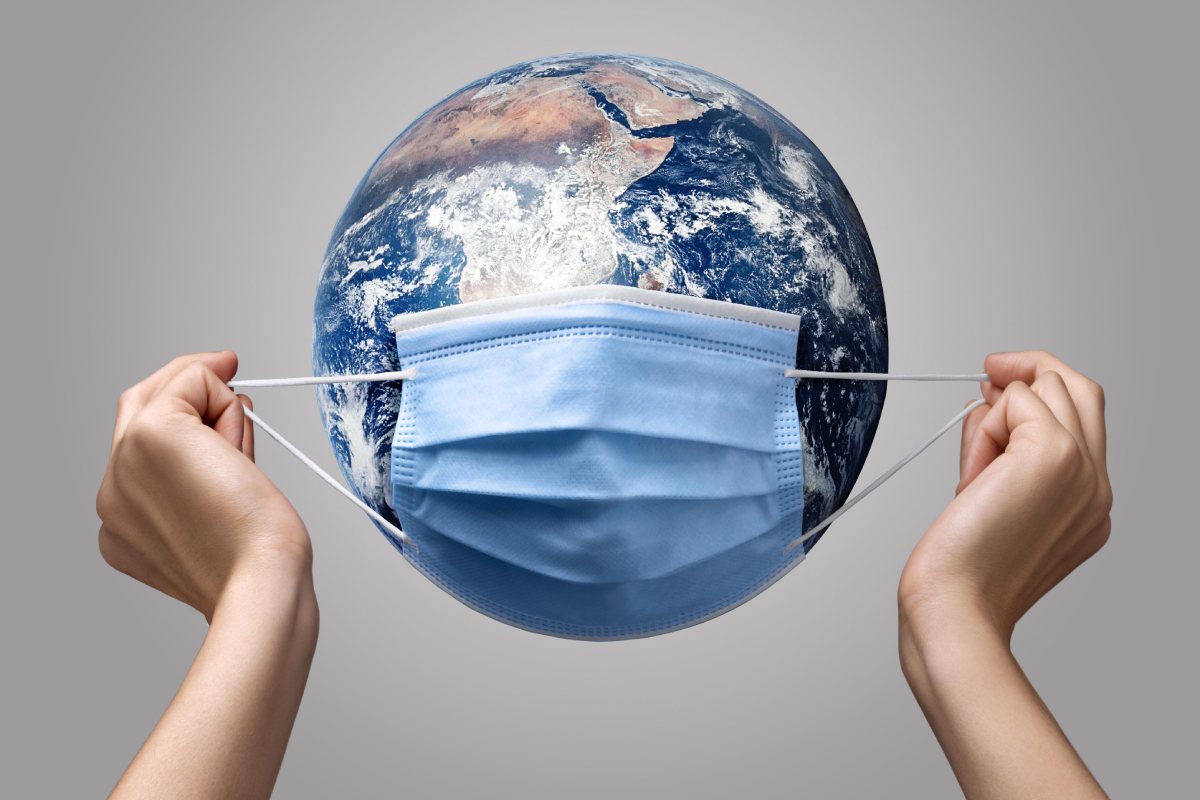
Climate change is often discussed as an environmental problem. It is increasingly a medical problem too. Doctors are seeing the health effects of heat, air pollution, floods, storms, changing infectious-disease patterns, food insecurity and mental-health stress. The important shift is that climate-related health risks are not confined to one specialty. They touch cardiology, respiratory medicine, infectious disease, pediatrics, obstetrics, emergency medicine and public health. Heat is one of the clearest examples. Extreme temperatures increase the risk of heat exhaustion and heatstroke and can worsen cardiovascular and respiratory illness. Older adults and people with chronic diseases can be particularly vulnerable. Air pollution creates another pathway. The same activities that contribute to

Read More ➜

Longevity Medicine: Are We Learning to Age Better or Just Buy More Tests?

The longevity industry promises a future in which people do not simply live longer they remain healthier for longer. That idea is appealing. It is also a perfect environment for hype. Longevity medicine sits at the intersection of aging research, preventive healthcare, nutrition, exercise, sleep, metabolic health and technology. Some of its ideas are grounded in mainstream medicine. Others are experimental. A good medical blog should clearly separate the two. The most important concept is “healthspan.” Lifespan means how long a person lives. Healthspan means how long they remain physically and mentally capable. A longer life with years of severe disability is not necessarily the outcome people are seeking. This

Read More ➜

Vaccines Are Entering a New Era: What Comes After the Pandemic?

Vaccines became one of the most visible medical technologies during the COVID-19 pandemic, but vaccine science did not begin with COVID and it will not end there. Modern immunization already prevents millions of deaths each year. The World Health Organization says vaccines now exist to prevent more than 30 life-threatening diseases and estimates that immunization prevents roughly 3.5 to 5 million deaths annually. The next vaccine era is about making protection broader, faster, more targeted and easier to deliver. At the basic level, vaccines train the immune system. They expose the body to a harmless form, component or instruction related to a pathogen so that the immune system can respond

Read More ➜

Can a Blood Test Find Cancer Early? The Promise and Limits of Liquid Biopsy

Few ideas in modern medicine sound more exciting than finding cancer through a blood test. Liquid biopsy is one of the technologies driving that excitement. Instead of taking a tissue sample from a tumor, researchers can look for cancer-related material circulating in body fluids such as blood. The concept is simple enough to explain: tumors can release biological material into the bloodstream. This can include fragments of tumor DNA, circulating tumor cells and other molecules. Scientists can analyze these signals for clues about the presence or characteristics of cancer. The potential is enormous. A blood test could, in theory, detect cancer earlier, monitor treatment, identify molecular changes and reduce the

Read More ➜

Menopause and the Brain: Why “Brain Fog” Deserves a Serious Conversation

Menopause is often reduced to hot flashes. That description misses a much larger story. The menopausal transition can involve changes in sleep, mood, concentration, memory, sexual health, bone health and cardiovascular risk. In 2026, attention is increasingly turning toward the brain. Menopause is a natural biological transition, not a disease. Yet natural does not mean symptom-free. The years around menopause can affect daily life, relationships, work and emotional wellbeing. “Brain fog” is one of the most commonly described experiences. A person may feel more forgetful, distracted or mentally slow. They may walk into a room and forget why they went there, struggle to find a word, or have difficulty concentrating

Read More ➜

Your Gut Is Not Just About Digestion: What the Microbiome Can and Cannot Tell Us

The gut microbiome has become one of the biggest health stories of the last decade. The internet is full of claims that certain bacteria can fix inflammation, improve mood, eliminate bloating or even determine how long we live. The science is fascinating but the reality is more complicated. The human gut contains a huge community of microorganisms, including bacteria, viruses, fungi and other organisms. Together, they interact with food, the intestinal lining and the immune system. Researchers are studying how these communities influence metabolism, immune responses and many aspects of health. That does not mean there is a single “good bacteria” list that applies to everyone. One of the most

Read More ➜

Heat Is Becoming a Medical Problem: The Hidden Health Risks of Hot Weather

When people think about extreme heat, they often imagine discomfort, sweating and dehydration. But heat can become a serious medical threat, especially for older adults, infants, outdoor workers and people living with chronic illnesses. The human body constantly works to keep its internal temperature within a narrow range. When the environment becomes very hot, the body tries to release heat through sweating and increased blood flow to the skin. If heat exposure is intense or prolonged, those mechanisms may not be enough. Heat exhaustion can cause heavy sweating, weakness, dizziness, headache, nausea and fainting. Heatstroke is much more dangerous. It can involve confusion, altered consciousness, seizures and very high body

Read More ➜

The Superbug Problem: What Happens When Antibiotics Stop Working?

Imagine having an infection that used to be easy to treat, but the usual medicine no longer works. That is the basic idea behind antimicrobial resistance, often called AMR. It is one of the most important medical problems of the coming decades because modern medicine depends heavily on effective antimicrobials. Antibiotics do not “make bacteria stronger” in the way people sometimes imagine. Instead, bacteria can change over time. When antibiotics kill susceptible bacteria, resistant bacteria may survive and multiply. Resistance can also spread between bacteria through genetic material. The more opportunities bacteria have to encounter antibiotics, especially when medicines are misused or overused, the greater the pressure for resistance. AMR

Read More ➜

Can You Trust AI With Your Health? The New Rules Everyone Should Know

Artificial intelligence has entered healthcare faster than many people expected. A person can now type symptoms into a chatbot, upload a medical report for explanation, ask an AI tool to summarize a research paper, or use a wearable that claims to detect changes in sleep or heart rhythm. The convenience is enormous. So is the responsibility. The key mistake is to think of AI as either a doctor replacement or a useless toy. Neither description is accurate. AI can be very useful for organizing information, spotting patterns and helping people understand medical language. But health decisions are safety-critical. A confident answer can still be wrong. One reason AI feels so

Read More ➜