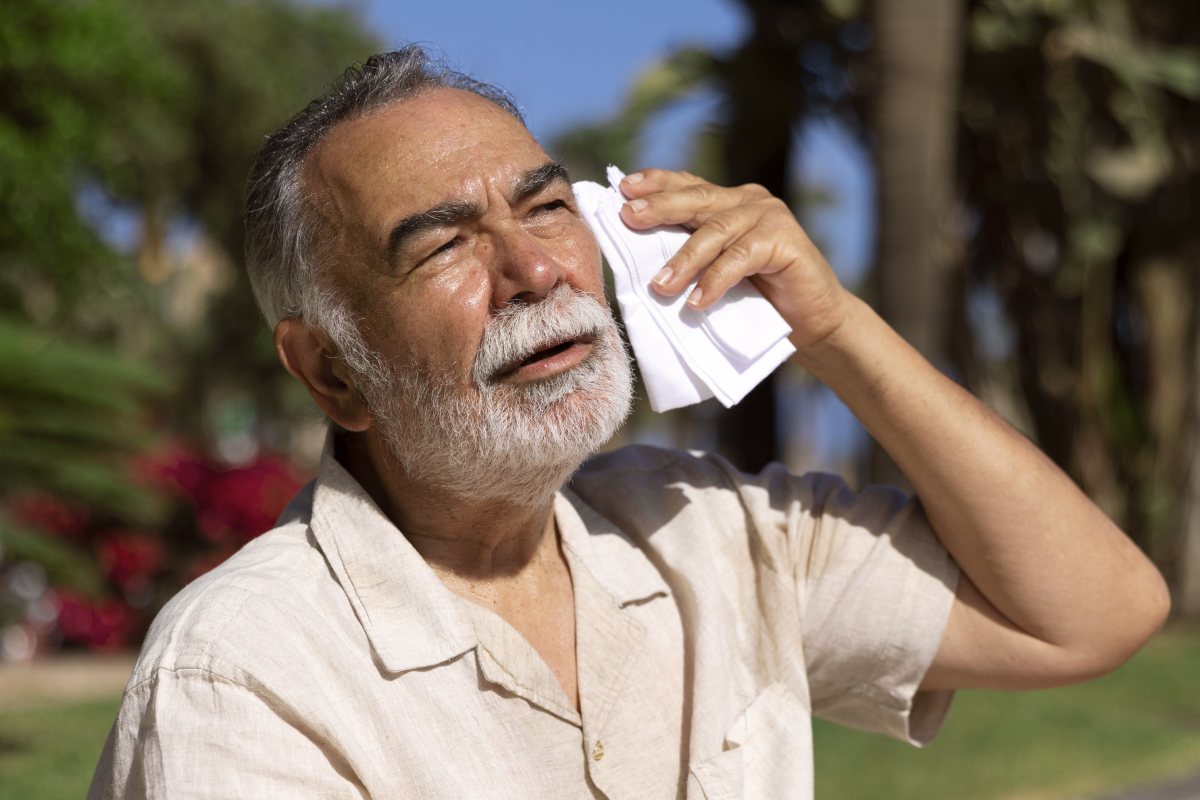
When people think about extreme heat, they often imagine discomfort, sweating and dehydration. But heat can become a serious medical threat, especially for older adults, infants, outdoor workers and people living with chronic illnesses.
The human body constantly works to keep its internal temperature within a narrow range. When the environment becomes very hot, the body tries to release heat through sweating and increased blood flow to the skin. If heat exposure is intense or prolonged, those mechanisms may not be enough. Heat exhaustion can cause heavy sweating, weakness, dizziness, headache, nausea and fainting. Heatstroke is much more dangerous. It can involve confusion, altered consciousness, seizures and very high body temperature. Heatstroke is a medical emergency.
The World Health Organization reported in July 2026 that heat stress can worsen cardiovascular disease, diabetes, mental health conditions and asthma, while also increasing risks of accidents and some infectious diseases. WHO also notes that heat-related mortality among people over 65 increased substantially between earlier and later periods studied.
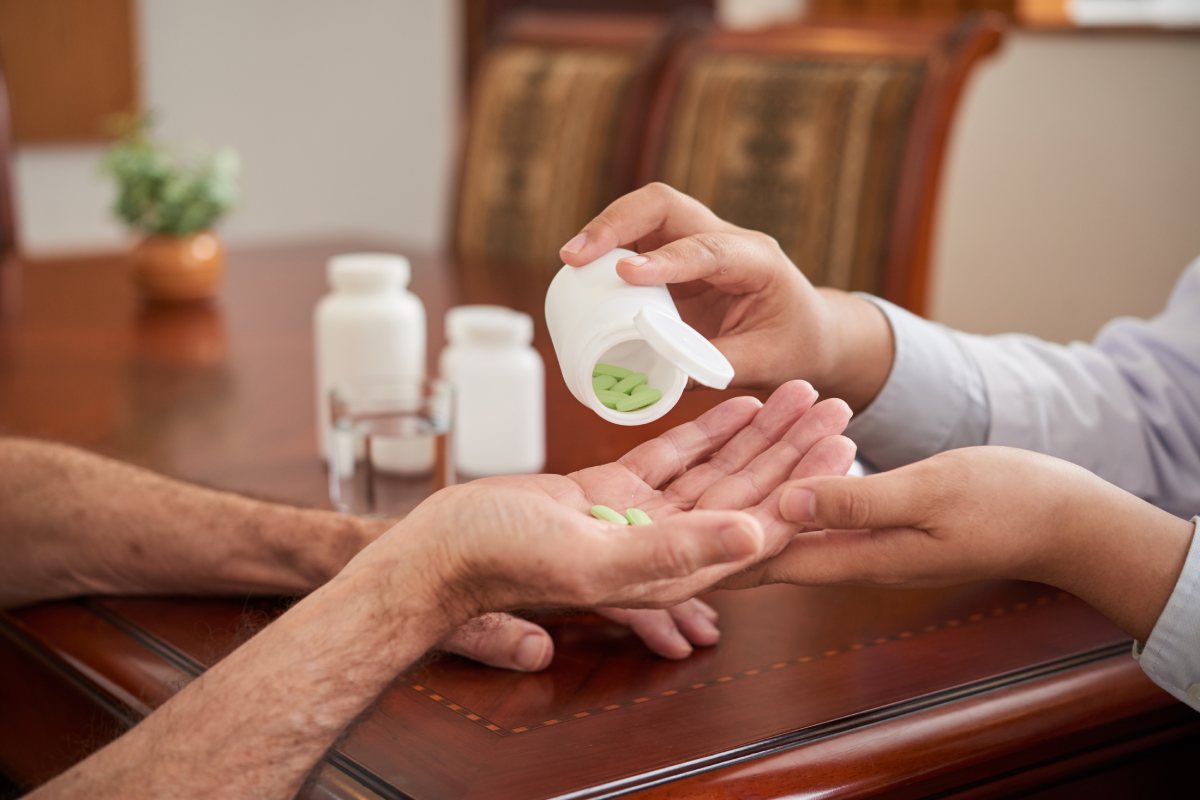
What makes heat particularly interesting as a medical story is that the risk is not always obvious. A person can be harmed by heat even without thinking of themselves as “sick.” Medications can alter the body’s ability to regulate temperature or fluid balance. People with heart, kidney or respiratory conditions may have less physiological reserve.
Cities add another layer. Concrete and asphalt can store heat, creating an urban heat-island effect. Poor housing, limited shade, lack of air conditioning and outdoor work can make exposure worse. Heat is therefore not just a weather story; it is also a public-health and social-equity story.
Prevention is remarkably practical. During very hot periods, reduce strenuous activity during the hottest part of the day. Stay in a cool or shaded environment when possible. Wear light, loose clothing. Drink fluids regularly, while considering medical advice if you have a condition that requires fluid restriction. Check on older relatives, neighbors and people who live alone.
Never leave a child, dependent adult or pet in a parked vehicle. Temperatures inside vehicles can rise dangerously fast. Air conditioning can be useful, but it is not the only tool. Shade, ventilation when outdoor temperatures are lower, curtains or blinds, cool showers, fans used appropriately and spending part of the day in a cooler location can all help.
People also need to recognize danger signs. If someone becomes confused, collapses, has seizures, loses consciousness or appears severely overheated, do not treat it as ordinary tiredness. Heatstroke can be fatal and requires emergency medical attention.
Climate change makes this topic increasingly relevant. WHO describes climate change as a threat multiplier because it affects air quality, water, food systems, infectious diseases and extreme weather as well as heat.
The surprising message is that climate medicine is becoming everyday medicine. Doctors may
increasingly need to ask not only “What disease does this person have?” but also “What environment is
this person living and working in?”
For a medical blog, this creates an opportunity to move beyond generic advice such as “drink more water.” Readers need to understand who is most vulnerable, how heat interacts with medications and chronic disease, and when symptoms become an emergency.
Heat is not merely a summer inconvenience. It is a physiological stressor. As extreme temperatures become more common, knowing how to recognize and prevent heat illness may become as important as knowing the warning signs of other common emergencies.
Sources and further reading
- WHO, July 13, 2026 – Heat and health: https://www.who.int/vietnam/news/fact-sheets/detail/climate-change-heat-and-health
- WHO – Climate change and health: https://www.who.int/health-topics/climate-change