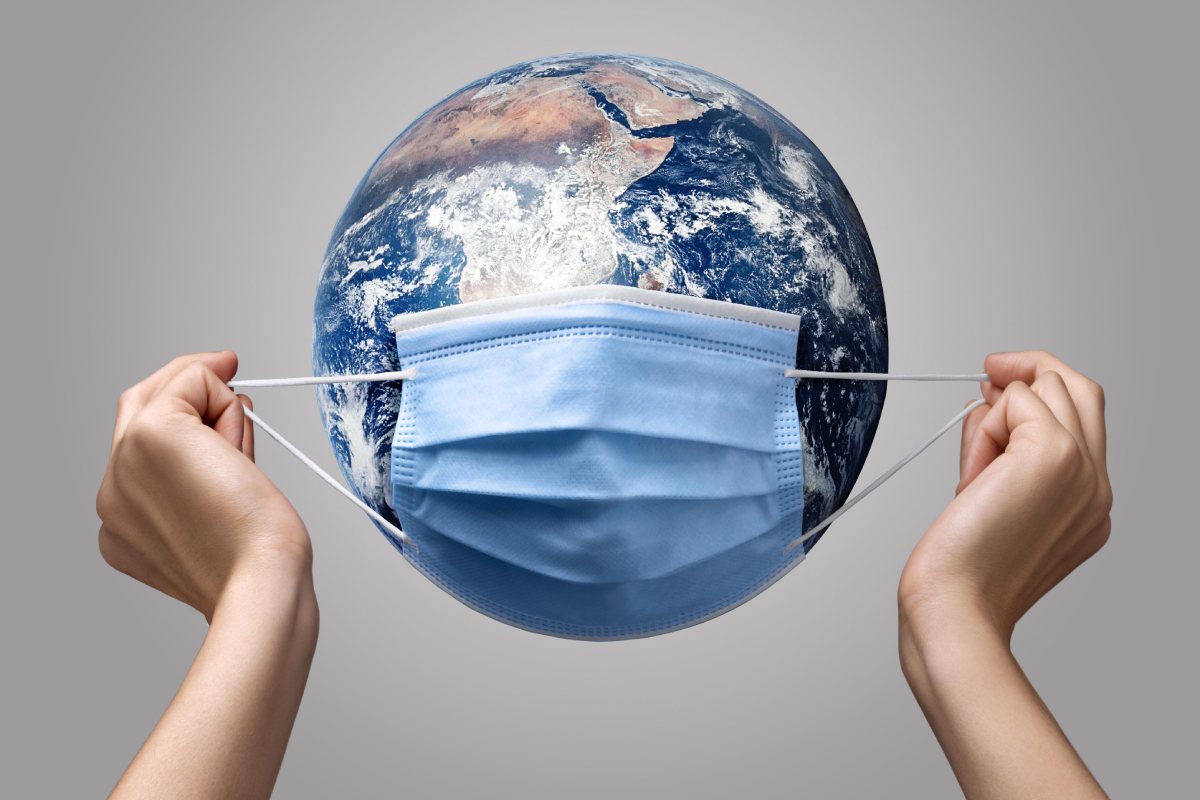
Climate change is often discussed as an environmental problem. It is increasingly a medical problem too.
Doctors are seeing the health effects of heat, air pollution, floods, storms, changing infectious-disease patterns, food insecurity and mental-health stress. The important shift is that climate-related health risks are not confined to one specialty. They touch cardiology, respiratory medicine, infectious disease, pediatrics, obstetrics, emergency medicine and public health.
Heat is one of the clearest examples. Extreme temperatures increase the risk of heat exhaustion and heatstroke and can worsen cardiovascular and respiratory illness. Older adults and people with chronic diseases can be particularly vulnerable.
Air pollution creates another pathway. The same activities that contribute to greenhouse-gas emissions can also release pollutants that harm the lungs and cardiovascular system. Cleaner transportation, energy and cooking systems can therefore produce both environmental and health benefits.
Infectious diseases can also be affected. Changes in temperature, rainfall and ecosystems can influence mosquitoes, ticks and other disease vectors. Flooding can disrupt sanitation systems and increase exposure to contaminated water.
Food systems are part of the story. Heat, droughts, floods and changing growing conditions can affect food availability and prices. Poor nutrition can then become a health consequence of environmental change.
Mental health should not be forgotten. Disasters can cause trauma, displacement, grief and financial stress. Even people who are not directly affected may experience climate anxiety or chronic worry about the future.
The World Health Organization describes climate change as a threat multiplier because it can worsen multiple health risks at the same time. It also notes that vulnerable populations often face the greatest burden.
For healthcare systems, this means adaptation matters. Hospitals need plans for heatwaves, floods, power interruptions and supply disruptions. Public-health agencies need early-warning systems and clear communication. Communities need access to cooling spaces, clean water and emergency services.
There is also a prevention opportunity. Many climate solutions are health solutions. Walking and cycling infrastructure can increase physical activity. Cleaner air can reduce respiratory exposure. More resilient housing can reduce heat stress. Better urban planning can provide shade and reduce heat islands.
This creates a powerful story for a medical website: climate action is not only about saving the planet decades from now. It can improve health today.
Individuals can take practical steps too. During extreme heat, follow local warnings, keep cool, stay hydrated when appropriate, check on vulnerable people and recognize emergency symptoms. During poor air quality, follow public-health advice and reduce exposure when necessary. Keep medications and important medical information accessible during emergencies.
But individual action has limits. Climate-related health protection also requires infrastructure, public policy and resilient health systems.
That is why climate medicine is likely to become a normal part of healthcare. Doctors may increasingly need to ask questions about heat exposure, occupational conditions, housing, air quality and disaster risk.
The most useful way to communicate this topic is without fearmongering. Climate change does not mean every unusual symptom is caused by the climate. It means the background conditions that influence health are changing.
Medicine has always been about understanding the relationship between people and their environment. Climate change makes that relationship impossible to ignore.
The future of healthcare will not only involve new drugs and machines. It will also involve making homes, workplaces, cities and health systems safer under changing environmental conditions.
In that sense, the environment is becoming part of the patient’s medical history—and healthcare needs to catch up.
Sources and further reading
- WHO – Climate change and health: https://www.who.int/health-topics/climate-change
- WHO, July 13, 2026 – Heat and health: https://www.who.int/vietnam/news/fact-sheets/detail/climate-change-heat-and-health