
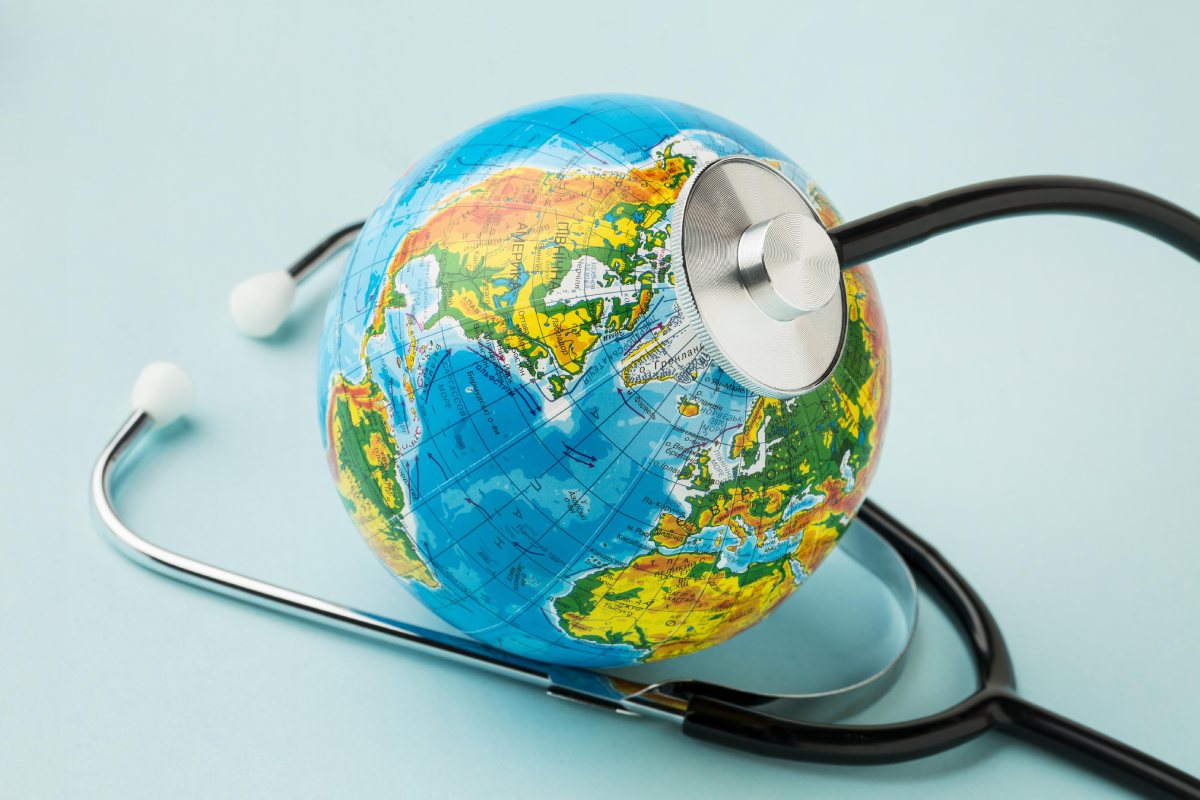
Climate change is often discussed as an environmental problem. It is increasingly a medical problem too. Doctors are seeing the health effects of heat, air pollution, floods, storms, changing infectious-disease patterns, food insecurity and mental-health stress. The important shift is that climate-related health risks are not confined to one specialty. They touch cardiology, respiratory medicine, infectious disease, pediatrics, obstetrics, emergency medicine and public health. Heat is one of the clearest examples. Extreme temperatures increase the risk of heat exhaustion and heatstroke and can worsen cardiovascular and respiratory illness. Older adults and people with chronic diseases can be particularly vulnerable. Air pollution creates another pathway. The same activities that contribute to greenhouse-gas emissions can also release pollutants that harm the lungs and cardiovascular system. Cleaner transportation, energy and cooking systems can therefore produce both environmental and health benefits. Infectious diseases can also be affected. Changes in temperature, rainfall and ecosystems can influence mosquitoes, ticks and other disease vectors. Flooding can disrupt sanitation systems and increase exposure to contaminated water. Food systems are part of the story. Heat, droughts, floods and changing growing conditions can affect food availability and prices. Poor nutrition can then become a health consequence of environmental change. Mental health should not be forgotten. Disasters can cause trauma, displacement, grief and financial stress. Even people who are not directly affected may experience climate anxiety or chronic worry about the future. The World Health Organization describes climate change as a threat multiplier because it can worsen multiple health risks at the same time. It also notes that vulnerable populations often face the greatest burden. For healthcare systems, this means adaptation matters. Hospitals need plans for heatwaves, floods, power interruptions and supply disruptions. Public-health agencies need early-warning systems and clear communication. Communities need access to cooling spaces, clean water and emergency services. There is also a prevention opportunity. Many climate solutions are health solutions. Walking and cycling infrastructure can increase physical activity. Cleaner air can reduce respiratory exposure. More resilient housing can reduce heat stress. Better urban planning can provide shade and reduce heat islands. This creates a powerful story for a medical website: climate action is not only about saving the planet decades from now. It can improve health today. Individuals can take practical steps too. During extreme heat, follow local warnings, keep cool, stay hydrated when appropriate, check on vulnerable people and recognize emergency symptoms. During poor air quality, follow public-health advice and reduce exposure when necessary. Keep medications and important medical information accessible during emergencies. But individual action has limits. Climate-related health protection also requires infrastructure, public policy and resilient health systems. That is why climate medicine is likely to become a normal part of healthcare. Doctors may increasingly need to ask questions about heat exposure, occupational conditions, housing, air quality and disaster risk. The most useful way to communicate this topic is without fearmongering. Climate change does not mean every unusual symptom is caused by the climate. It means the background conditions that influence health are changing. Medicine has always been about understanding the relationship between people and their environment. Climate change makes that relationship impossible to ignore. The future of healthcare will not only involve new drugs and machines. It will also involve making homes, workplaces, cities and health systems safer under changing environmental conditions. In that sense, the environment is becoming part of the patient’s medical history—and healthcare needs to catch up. Sources and further reading WHO – Climate change and health: https://www.who.int/health-topics/climate-change WHO, July 13, 2026 – Heat and health: https://www.who.int/vietnam/news/fact-sheets/detail/climate-change-heat-and-health
Longevity Medicine: Are We Learning to Age Better or Just Buy More Tests?
The longevity industry promises a future in which people do not simply live longer they remain healthier for longer. That idea is appealing. It is also a perfect environment for hype. Longevity medicine sits at the intersection of aging research, preventive healthcare, nutrition, exercise, sleep, metabolic health and technology. Some of its ideas are grounded in mainstream medicine. Others are experimental. A good medical blog should clearly separate the two. The most important concept is “healthspan.” Lifespan means how long a person lives. Healthspan means how long they remain physically and mentally capable. A longer life with years of severe disability is not necessarily the outcome people are seeking. This is why muscle strength is receiving so much attention. Muscle is not only about appearance. It supports movement, balance, glucose metabolism and independence. Maintaining strength as people age can help them remain capable of doing everyday tasks. Sleep is another major pillar. Poor sleep is associated with many health problems, and sleep disorders such as sleep apnea can be treatable. “Optimizing sleep” should therefore begin with identifying real problems rather than buying expensive gadgets. Metabolic health is also central. Blood pressure, blood sugar, cholesterol, body composition and physical activity influence cardiovascular risk. These are not futuristic longevity concepts; they are ordinary medical risk factors with decades of evidence behind them. The more controversial side of longevity includes biological-age clocks, extensive biomarker panels, peptide treatments and supplement stacks. Some technologies may eventually become clinically useful. But a number on a report is not automatically a disease diagnosis. This is a crucial distinction: measuring more does not always mean understanding more. Suppose a person receives 80 laboratory results and one falls outside a reference range. That does not necessarily mean something is wrong. Reference ranges are not the same as personal treatment targets, and isolated abnormalities can create anxiety or unnecessary testing. The best longevity strategy is therefore surprisingly unglamorous: do not smoke, maintain a healthy level of physical activity, eat a balanced diet, sleep adequately, manage blood pressure and metabolic risk, maintain social connection, keep vaccinations and age-appropriate screening up to date, and seek medical attention when symptoms appear. Research may eventually add powerful therapies to this foundation. Scientists are studying cellular aging, inflammation, immune changes, senescent cells and other biological pathways. But many interventions remain experimental. The danger is that commercial longevity marketing can blur the line between research and proven care. A laboratory discovery may be presented online as if it were a finished treatment. Readers need to ask: Was the study done in cells, animals or humans? Was it a small trial or a large randomized study? Did it improve a meaningful health outcome, or only change a biomarker? Cost is another issue. If a test or therapy is expensive, its value should be judged by whether it improves health—not by how futuristic it sounds. There is a deeper philosophical question too. What if the best way to live longer is not to chase longevity every day? Constantly monitoring every biomarker can create health anxiety. Preventive medicine should help people live, not make them feel like a laboratory experiment. The future of aging research is worth watching. But the strongest longevity message today is simple: focus on function, prevention and evidence. A person who can climb stairs, carry groceries, think clearly, sleep well and enjoy relationships is achieving something more meaningful than an impressive laboratory dashboard. The goal of longevity medicine should not be to make people obsessed with aging. It should be to help people age with strength, independence and dignity. Sources and further reading WHO – Ageing and health / health topics: https://www.who.int/health-topics Background reading: WHO health topics include ageing, physical activity, nutrition and noncommunicable disease: https://www.who.int/health-topics
Vaccines Are Entering a New Era: What Comes After the Pandemic?
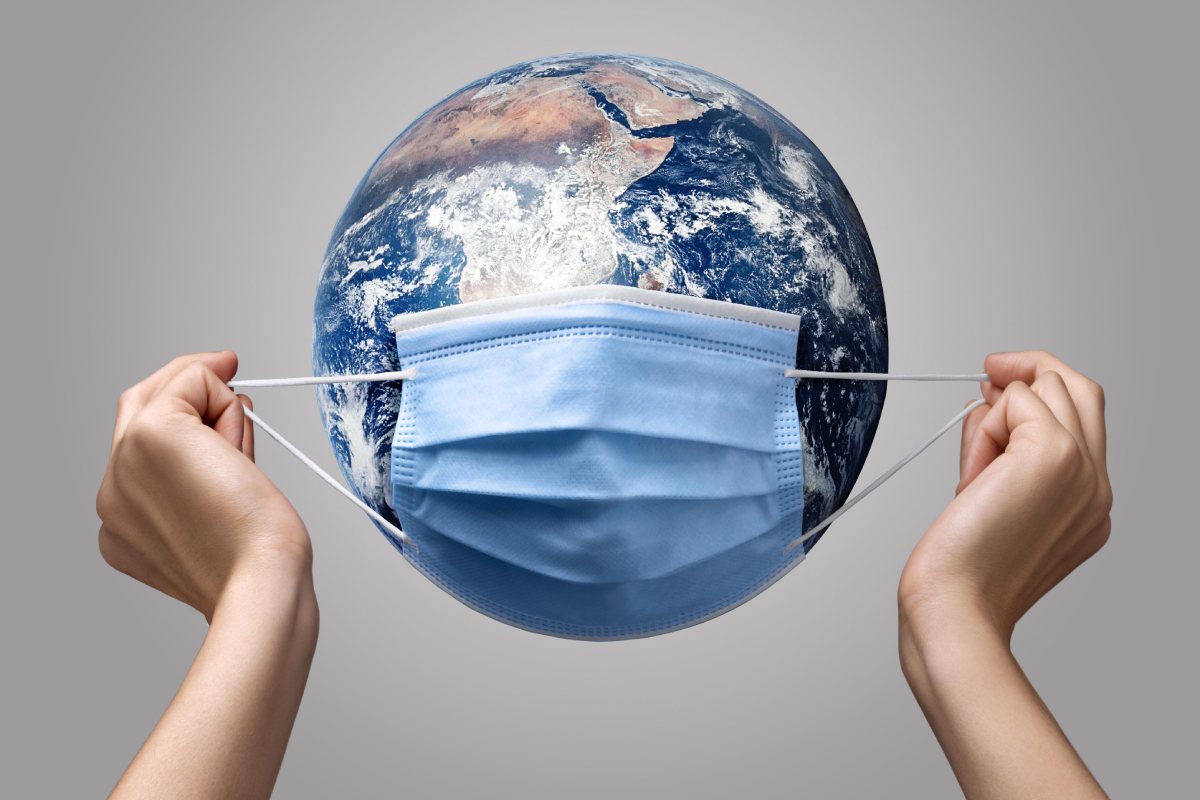
Vaccines became one of the most visible medical technologies during the COVID-19 pandemic, but vaccine science did not begin with COVID and it will not end there. Modern immunization already prevents millions of deaths each year. The World Health Organization says vaccines now exist to prevent more than 30 life-threatening diseases and estimates that immunization prevents roughly 3.5 to 5 million deaths annually. The next vaccine era is about making protection broader, faster, more targeted and easier to deliver. At the basic level, vaccines train the immune system. They expose the body to a harmless form, component or instruction related to a pathogen so that the immune system can respond more effectively later. Different vaccine technologies accomplish this in different ways. One of the most interesting developments is the increasing ability to design vaccines using genetic and molecular information. The pandemic demonstrated how quickly some vaccine platforms can move from sequence information to candidate vaccines. Researchers are now asking how these technologies can be adapted for other infectious diseases. Respiratory infections are a major target because viruses such as influenza and respiratory syncytial virus can cause substantial illness, especially in older adults, infants and people with certain medical conditions. The goal is not only to create vaccines, but to make them more effective, more convenient and better matched to changing viruses. Another important issue is vaccine confidence. A scientifically excellent vaccine has limited public-health value if people cannot access it, do not understand it or do not trust the health system providing it. This is why vaccine communication matters. People deserve honest information about benefits, risks and uncertainty. No medical product is completely risk-free, but vaccines are evaluated through clinical trials and ongoing safety monitoring. The correct comparison is not “zero risk versus vaccine risk.” It is usually vaccine risk versus the risk of the disease being prevented. Vaccines also connect to antimicrobial resistance. Preventing infections can reduce the need for antibiotics and other antimicrobial medicines. In that sense, vaccination is part of the strategy for protecting antibiotics. The pandemic also revealed another challenge: immunization systems can be disrupted. When routine vaccination programs fall behind, diseases that were previously controlled can return. Catch-up vaccination and strong primary healthcare systems therefore remain essential. The future may bring vaccines that protect against diseases for which prevention is currently difficult. Researchers are studying new targets, new delivery systems and more personalized approaches. Cancer vaccines are another fascinating area. Some are being developed to prevent infection-related cancers, while others are therapeutic vaccines designed to stimulate the immune system against an existing tumor. These are very different from routine childhood vaccines and should not be described as if they are already a universal cancer cure. For the public, the most useful vaccine article is not “Are vaccines good or bad?” It is “Which vaccines are recommended for which people, at what age, and for what reason?” Recommendations can differ by country, age, pregnancy status, occupation, medical conditions, travel and outbreak situation. That is why readers should use local public-health guidance and discuss individual circumstances with a healthcare professional. The vaccine story after COVID is therefore not about one miracle technology. It is about an expanding toolbox. Vaccines remain one of the most powerful examples of prevention in medicine. The next generation could make prevention even more precise. But technology alone will not be enough. Access, trust, good communication and strong health systems will determine how much of the science actually reaches people. Sources and further reading WHO – Vaccines and immunization: https://www.who.int/health-topics/vaccines-and-immunization/

Can a Blood Test Find Cancer Early? The Promise and Limits of Liquid Biopsy
Few ideas in modern medicine sound more exciting than finding cancer through a blood test. Liquid biopsy is one of the technologies driving that excitement. Instead of taking a tissue sample from a tumor, researchers can look for cancer-related material circulating in body fluids such as blood. The concept is simple enough to explain: tumors can release biological material into the bloodstream. This can include fragments of tumor DNA, circulating tumor cells and other molecules. Scientists can analyze these signals for clues about the presence or characteristics of cancer. The potential is enormous. A blood test could, in theory, detect cancer earlier, monitor treatment, identify molecular changes and reduce the need for repeated invasive procedures. But “could” is the critical word. Liquid biopsy is an active research field, not a universal replacement for established cancer screening. Detecting a tiny cancer early is technically difficult because the amount of tumor-derived material may be extremely small. A test can miss disease, especially when a tumor sheds little detectable material. False positives are another challenge. If a test detects a signal but no cancer is actually present, the person may undergo scans, biopsies and weeks of anxiety. In medicine, a test is not judged only by whether it can detect something. It must also be accurate enough to improve outcomes. The National Cancer Institute describes liquid biopsy as a minimally invasive approach that can characterize tumor-related material in biofluids. Its Liquid Biopsy Consortium is working to advance and validate technologies, including approaches aimed at early-stage cancer detection. This distinction between research and routine screening is essential for readers. A promising technology may still require years of validation before doctors can confidently recommend it to millions of healthy people. There is also a biological challenge: cancer is not one disease. Breast cancer, lung cancer, colorectal cancer and dozens of other cancers behave differently. A single blood test that accurately detects every cancer at every stage is a much harder problem than a test designed for one specific disease. Liquid biopsy may also be especially useful after a cancer diagnosis. Doctors may use molecular information to understand tumor changes, monitor treatment response or look for signs of recurrence. In these settings, the test is part of a larger clinical picture. The public-health question is even more important: does finding a cancer earlier with a new test actually help people live longer or live better? A test can detect disease earlier without improving outcomes if it finds harmless abnormalities, overdiagnoses slow-growing cancers or leads to unnecessary treatment. That is why clinical trials matter. For readers, the headline should not be “Cancer can now be detected from one blood test.” A more accurate headline is “Scientists are developing blood tests that may change how some cancers are detected and monitored.” That version is less sensational—but much more trustworthy. The field is moving quickly. Advances in DNA sequencing, molecular biology and machine learning may improve the ability to detect weak signals. Researchers are also studying combinations of biomarkers rather than relying on one signal. The future may include blood-based tests that complement traditional screening. But traditional screening remains important where evidence supports it. People should not stop recommended screening because they saw a story about liquid biopsy. The most exciting medical technologies often need the most careful journalism. Liquid biopsy deserves attention because it could transform cancer care. It also deserves skepticism because the difference between a promising laboratory result and a proven screening test is enormous. The real breakthrough will not be the day a blood test detects cancer. It will be the day a validated test detects clinically important cancer early enough, accurately enough and affordably enough to save lives. Sources and further reading National Cancer Institute – Liquid Biopsy Consortium: https://prevention.cancer.gov/research-areas/networks-consortia-programs/lbc

Menopause and the Brain: Why “Brain Fog” Deserves a Serious Conversation
Menopause is often reduced to hot flashes. That description misses a much larger story. The menopausal transition can involve changes in sleep, mood, concentration, memory, sexual health, bone health and cardiovascular risk. In 2026, attention is increasingly turning toward the brain. Menopause is a natural biological transition, not a disease. Yet natural does not mean symptom-free. The years around menopause can affect daily life, relationships, work and emotional wellbeing. “Brain fog” is one of the most commonly described experiences. A person may feel more forgetful, distracted or mentally slow. They may walk into a room and forget why they went there, struggle to find a word, or have difficulty concentrating during a meeting. This can be frightening because memory problems are often associated with dementia. But occasional forgetfulness during midlife does not automatically mean dementia. Sleep disruption, stress, anxiety, depression, medication effects and hormonal changes can all influence attention and memory. Sleep is particularly important. Night sweats and hot flashes can repeatedly interrupt sleep, leaving someone tired the next day. Poor sleep itself can make concentration and mood worse, creating a cycle that feels like cognitive decline. The World Health Organization has recently highlighted menopause as an important life-course health issue and hosted a 2026 webinar specifically addressing cognition and mental health. That attention reflects a broader shift: menopause should be discussed as part of overall health rather than as an isolated collection of symptoms. This does not mean every symptom should automatically be blamed on hormones. A new or rapidly worsening cognitive problem deserves medical assessment. Symptoms such as severe confusion, new neurological weakness, speech difficulty or sudden changes in consciousness require urgent care. Another important topic is bone health. After menopause, changes in estrogen levels can contribute to accelerated bone loss in some women. That makes strength, balance, adequate nutrition and appropriate screening especially important depending on individual risk. Heart health also deserves attention. Menopause does not suddenly “cause” heart disease, but cardiovascular risk changes with age and the menopausal transition. Blood pressure, cholesterol, blood sugar, smoking, physical activity and family history all matter. Treatment is individualized. Some people need symptom management; others need assessment for sleep disorders, thyroid problems, anemia, mood disorders or medication effects. Hormone therapy can be appropriate for some people and inappropriate for others. It should be discussed with a qualified clinician rather than started based on a social-media recommendation. There is also a communication problem. Many women report that symptoms are dismissed as simply “getting older.” That can delay diagnosis and treatment for problems that deserve attention. A better message is: menopause is normal, but suffering does not have to be ignored. For families and workplaces, understanding menopause can also reduce stigma. A person dealing with sleep disruption and hot flashes may not be “less productive”; they may be dealing with a real physiological transition. Flexible workplace practices, access to care and respectful conversations can make a meaningful difference. The most useful medical article on menopause is therefore not a list of miracle foods or supplements. It is a guide to recognizing symptoms, understanding what is normal, knowing what deserves evaluation and learning which treatments have evidence. Menopause is not the end of health or vitality. It is a major transition—and like every major transition, it deserves good information, individualized care and a healthcare system willing to listen. Sources and further reading WHO – Menopause: https://www.who.int/health-topics/menopause WHO, July 30, 2026 – Menopause, brain health and mental health: https://www.who.int/news-room/events/detail/2026/07/30/default-calendar/menopause-on-the-brain–your-questions-about-mental-health-and-cognition-answered

Your Gut Is Not Just About Digestion: What the Microbiome Can and Cannot Tell Us
The gut microbiome has become one of the biggest health stories of the last decade. The internet is full of claims that certain bacteria can fix inflammation, improve mood, eliminate bloating or even determine how long we live. The science is fascinating but the reality is more complicated. The human gut contains a huge community of microorganisms, including bacteria, viruses, fungi and other organisms. Together, they interact with food, the intestinal lining and the immune system. Researchers are studying how these communities influence metabolism, immune responses and many aspects of health. That does not mean there is a single “good bacteria” list that applies to everyone. One of the most important developments in microbiome science is the shift from simply asking which organisms are present to asking what they are doing. Two people can have different microbial communities while both having healthy digestive systems. A person can also have many microbes that look unusual on a test without having a disease. Recent research emphasizes that microbial function, metabolic activity and ecological resilience may tell us more than simply counting bacterial species. Researchers also caution that many microbiome findings are observational. An association between a microbial pattern and a disease does not automatically prove that the microbes caused the disease. This matters because commercial microbiome testing can sound more definitive than the science allows. A report may tell a customer that certain bacteria are “low” or “high,” followed by a recommendation for supplements. But interpreting a stool microbiome profile as a complete diagnosis of health is not currently justified. So what can ordinary people do? The strongest practical advice is surprisingly familiar: eat a varied, nutrient-rich diet appropriate for your health needs, prioritize fiber-rich plant foods when tolerated, stay physically active, sleep adequately, avoid unnecessary medications, and follow medical advice for diagnosed gastrointestinal disease. Fermented foods are another popular topic. They can be part of a healthy diet, but “fermented” does not automatically mean medically necessary. Different products contain different organisms, and evidence varies by condition. Probiotics also need a reality check. Some specific strains may help with specific problems, but a probiotic that helps one condition is not automatically useful for every person. “Probiotic” is not one single treatment. The future of microbiome medicine may be more targeted. Researchers are investigating ways to influence microbial communities, their metabolites and their interaction with the immune system. The goal is to move from broad wellness claims to therapies designed for specific diseases. The gut-brain connection is another area of intense interest. The digestive tract communicates with the nervous system through multiple pathways involving nerves, hormones, immune signals and microbial metabolites. This is biologically plausible and scientifically active, but it should not be turned into the simplistic claim that “your gut controls your mind.” The same caution applies to weight loss. Microbiome patterns have been associated with obesity and metabolic disease, but that does not mean a commercial supplement can “reset” the microbiome and cause predictable fat loss. A useful way to think about the microbiome is as an ecosystem rather than a score. Ecosystems are dynamic. They respond to diet, medications, infections, age, environment and other factors. There may never be one perfect microbiome for everyone. That is what makes the topic so interesting. The microbiome could become an important part of personalized medicine—but the field is still learning how to translate laboratory discoveries into reliable clinical care. For readers, the best approach is to be curious without being gullible. Be suspicious of any product that promises to “detox” the gut, remove all bad bacteria or cure multiple diseases with one supplement. The microbiome is real. Its medical potential is real. The hype is real too. A good health article should separate all three. Sources and further reading PubMed, 2026 – Recent advances and clinical relevance of microbiome dynamics https://pubmed.ncbi.nlm.nih.gov/42286837/ PubMed, 2026 – Translational human gut microbiome research https://pubmed.ncbi.nlm.nih.gov/42365269/ PubMed, 2026 – ISAPP consensus on gut health: https://pubmed.ncbi.nlm.nih.gov/41709019/

Heat Is Becoming a Medical Problem: The Hidden Health Risks of Hot Weather
When people think about extreme heat, they often imagine discomfort, sweating and dehydration. But heat can become a serious medical threat, especially for older adults, infants, outdoor workers and people living with chronic illnesses. The human body constantly works to keep its internal temperature within a narrow range. When the environment becomes very hot, the body tries to release heat through sweating and increased blood flow to the skin. If heat exposure is intense or prolonged, those mechanisms may not be enough. Heat exhaustion can cause heavy sweating, weakness, dizziness, headache, nausea and fainting. Heatstroke is much more dangerous. It can involve confusion, altered consciousness, seizures and very high body temperature. Heatstroke is a medical emergency. The World Health Organization reported in July 2026 that heat stress can worsen cardiovascular disease, diabetes, mental health conditions and asthma, while also increasing risks of accidents and some infectious diseases. WHO also notes that heat-related mortality among people over 65 increased substantially between earlier and later periods studied. What makes heat particularly interesting as a medical story is that the risk is not always obvious. A person can be harmed by heat even without thinking of themselves as “sick.” Medications can alter the body’s ability to regulate temperature or fluid balance. People with heart, kidney or respiratory conditions may have less physiological reserve. Cities add another layer. Concrete and asphalt can store heat, creating an urban heat-island effect. Poor housing, limited shade, lack of air conditioning and outdoor work can make exposure worse. Heat is therefore not just a weather story; it is also a public-health and social-equity story. Prevention is remarkably practical. During very hot periods, reduce strenuous activity during the hottest part of the day. Stay in a cool or shaded environment when possible. Wear light, loose clothing. Drink fluids regularly, while considering medical advice if you have a condition that requires fluid restriction. Check on older relatives, neighbors and people who live alone. Never leave a child, dependent adult or pet in a parked vehicle. Temperatures inside vehicles can rise dangerously fast. Air conditioning can be useful, but it is not the only tool. Shade, ventilation when outdoor temperatures are lower, curtains or blinds, cool showers, fans used appropriately and spending part of the day in a cooler location can all help. People also need to recognize danger signs. If someone becomes confused, collapses, has seizures, loses consciousness or appears severely overheated, do not treat it as ordinary tiredness. Heatstroke can be fatal and requires emergency medical attention. Climate change makes this topic increasingly relevant. WHO describes climate change as a threat multiplier because it affects air quality, water, food systems, infectious diseases and extreme weather as well as heat. The surprising message is that climate medicine is becoming everyday medicine. Doctors may increasingly need to ask not only “What disease does this person have?” but also “What environment is this person living and working in?” For a medical blog, this creates an opportunity to move beyond generic advice such as “drink more water.” Readers need to understand who is most vulnerable, how heat interacts with medications and chronic disease, and when symptoms become an emergency. Heat is not merely a summer inconvenience. It is a physiological stressor. As extreme temperatures become more common, knowing how to recognize and prevent heat illness may become as important as knowing the warning signs of other common emergencies. Sources and further reading WHO, July 13, 2026 – Heat and health: https://www.who.int/vietnam/news/fact-sheets/detail/climate-change-heat-and-health WHO – Climate change and health: https://www.who.int/health-topics/climate-change
The Superbug Problem: What Happens When Antibiotics Stop Working?
Imagine having an infection that used to be easy to treat, but the usual medicine no longer works. That is the basic idea behind antimicrobial resistance, often called AMR. It is one of the most important medical problems of the coming decades because modern medicine depends heavily on effective antimicrobials. Antibiotics do not “make bacteria stronger” in the way people sometimes imagine. Instead, bacteria can change over time. When antibiotics kill susceptible bacteria, resistant bacteria may survive and multiply. Resistance can also spread between bacteria through genetic material. The more opportunities bacteria have to encounter antibiotics, especially when medicines are misused or overused, the greater the pressure for resistance. AMR is broader than antibiotic resistance. Antimicrobial medicines include antibiotics, antivirals, antifungals and antiparasitic drugs. Resistance can develop across these categories. Why should an ordinary person care? Because antibiotics are not only used for routine infections. They are essential for surgery, cancer treatment, organ transplantation, intensive care and many procedures that would otherwise carry a much higher infection risk. The World Health Organization reported that about one in six laboratory-confirmed bacterial infections globally were resistant to antibiotics in 2023. WHO also estimates that bacterial AMR was associated with more than 4.7 million deaths in 2021. These figures show why the issue is not a distant scientific problem. But the public conversation needs nuance. Taking an antibiotic when it is not needed can contribute to resistance, but a patient should not stop a prescribed medicine simply because they feel better without speaking to their healthcare professional. The correct medicine, dose and duration depend on the infection and the clinical situation. A common misunderstanding is that antibiotics treat viruses. They generally do not. Colds and many uncomplicated respiratory infections are caused by viruses, so an antibiotic will not make the virus disappear. Taking an unnecessary antibiotic can expose someone to side effects without providing benefit. The solution is not simply “use fewer antibiotics.” It is “use the right antimicrobial at the right time.” That requires better diagnostic tests, good prescribing, infection prevention, vaccination, surveillance and development of new treatments. Vaccines matter because preventing an infection can prevent the need for an antibiotic in the first place. Good hand hygiene, safe food and water, infection-control practices and appropriate treatment of chronic diseases also reduce the burden of infection. The future of AMR research is exciting. Scientists are investigating new antibiotics, bacteriophages, antimicrobial peptides, immune-based treatments, microbiome approaches and artificial intelligence for surveillance and drug discovery. None is a magic solution, and many are still being studied. AMR is also a “One Health” issue. Resistant organisms do not respect the boundaries between hospitals, farms, animals, food systems, wastewater and the environment. WHO’s updated 2026–2036 global action plan reflects this broader approach. For readers, the practical rules are straightforward: do not demand antibiotics for every cough or fever;do not share antibiotics; do not use leftover antibiotics from an old illness; take prescribed medicinesexactly as directed unless your clinician tells you otherwise; keep vaccinations up to date where appropriate; and seek medical advice when an infection is severe, persistent or worsening. The phrase “superbug” sounds like science fiction, but the underlying problem is real. The good news is that resistance is not a reason for panic. It is a reason for smarter medicine. Every unnecessary antibiotic exposure creates a small opportunity for resistance. Every appropriate prescription, vaccination and infection-prevention measure helps protect the medicines that future patients may need. The antibiotic age is not necessarily ending. But it is entering an era in which these medicines must be treated as precious medical resources. Sources and further reading WHO, July 16, 2026 – Antimicrobial resistance fact sheet: https://www.who.int/news-room/fact-sheets/detail/antimicrobial-resistance?linkId=663268727 WHO, May 25, 2026 – Global Action Plan on AMR 2026–2036: https://www.who.int/news/item/25-05-2026-the-world-health-assembly-adopts-updated-global-action-plan-on-antimicrobial-resistance-%282026-2036%29

Can You Trust AI With Your Health? The New Rules Everyone Should Know
Artificial intelligence has entered healthcare faster than many people expected. A person can now type symptoms into a chatbot, upload a medical report for explanation, ask an AI tool to summarize a research paper, or use a wearable that claims to detect changes in sleep or heart rhythm. The convenience is enormous. So is the responsibility. The key mistake is to think of AI as either a doctor replacement or a useless toy. Neither description is accurate. AI can be very useful for organizing information, spotting patterns and helping people understand medical language. But health decisions are safety-critical. A confident answer can still be wrong. One reason AI feels so convincing is that it communicates fluently. If a chatbot produces a polished paragraph, users may assume the reasoning behind it is equally reliable. But language quality is not the same thing as medical accuracy. AI systems can misunderstand symptoms, miss important context, invent references or overstate uncertain evidence. This becomes especially important when someone has an emergency. Chest pressure, severe difficulty breathing, sudden weakness on one side, confusion, heavy bleeding, seizures or loss of consciousness should not become a long conversation with a chatbot. Urgent medical symptoms require appropriate emergency care. AI can be more helpful in lower-risk situations. For example, a patient might ask an AI system to translate “elevated LDL cholesterol” into plain English before discussing the result with a clinician. Someone preparing for an appointment might use AI to organize questions: What medicines am I taking? What symptoms started first? What makes them better or worse? What family history is relevant? Another powerful use is education. Medical reports contain technical language that can frighten people. An AI tool may help explain what a term means, what questions to ask next and which parts of a report deserve clarification. The final interpretation, however, should come from the appropriate healthcare professional and the full clinical context. Privacy is another issue that deserves more attention. Health information is sensitive. People should understand what happens to information they enter into an AI service before sharing laboratory reports, photographs, names, dates of birth or other identifying details. A convenient tool is not automatically a private tool. Bias is also a real concern. AI systems learn from data. If the underlying data underrepresent certain populations, the system may perform differently across groups. WHO has emphasized that AI in health requires attention to safety, accountability, evidence and governance. Mental health is a particularly sensitive area. Generative AI is increasingly being used for emotional support, but systems not designed or tested as mental-health treatments can create serious risks. A person experiencing severe depression, suicidal thoughts, psychosis or abuse needs human support and appropriate professional care—not an AI system acting as a substitute therapist. The best way to think about medical AI is as a co-pilot, not an autopilot. It can help you prepare, learn and communicate. It should not be the final authority for diagnosis, emergency decisions or medication changes. A practical “AI health checklist” is simple. First, ask: Is this urgent? If yes, seek human medical help. Second: Is the answer based on reliable medical evidence? Third: Does the system clearly communicate uncertainty? Fourth: Could missing personal information change the answer? Fifth: Am I about to change a medicine or treatment because of this answer? If the answer to the last question is yes, pause and speak with a clinician or pharmacist. The most interesting healthcare story of the AI era is therefore not whether machines will replace doctors. It is whether we can build a healthcare system in which technology makes patients better informed without making them falsely confident. AI will probably become a normal part of healthcare. The winners will not be the people who trust it blindly or reject it completely. They will be the people who know what it is good at, what it is bad at, and when a human expert needs to take over. Sources and further reading WHO, June 2, 2026 – AI and evidence-informed health policy: https://www.who.int/news/item/02-06-2026-new-who-discussion-paper-sets-out-opportunities-and-risks-of-ai-in-evidence-informed-health-policy WHO, March 20, 2026 – Responsible AI for mental health: https://www.who.int/news/item/20-03-2026-towards-responsible-ai-for-mental-health-and-well-being–experts-chart-a-way-forward